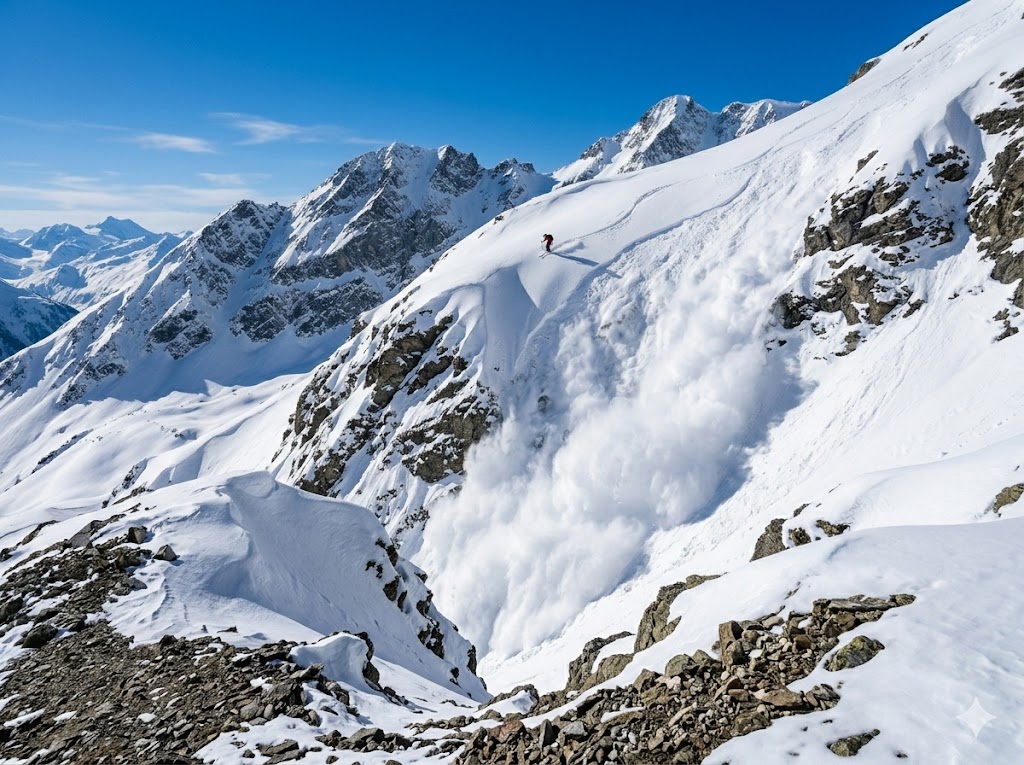
| | | The off-piste briefing that could save your life Avalanches claim 150 people in the Alps every year. Most are experienced off-piste skiers who simply underestimated the conditions, and 90% triggered the slide themselves.
The good news: the vast majority of accidents are preventable. This guide won't replace a formal avalanche safety course, but it will make you a smarter, more aware mountain user - from reading a forecast to surviving a burial. |  |  | | The 10-Point Pre-Ride Checklist Work through these before every off-piste session, in the order listed. Don't skip ahead. 1. Check the avalanche forecast — Get the official regional forecast, not just a weather report. Know the danger level, aspect, and elevation band of concern. A north-facing slope at 2,500m may be rated 4, while the south-facing run below sits at 2.
2. Look for recent avalanche activity — Fresh debris, crown lines on nearby slopes, or hollow "whumpfing" sounds underfoot are red flags. If a slope has already run, it can run again — often larger.
3. Assess recent snowfall — More than 30cm of continuous new snow is considered very hazardous. Heavy loading over 2cm/hour can destabilise the snowpack within hours of the snow stopping. Rain on top of snow is an immediate danger signal.
4. Check for wind slab — Wind builds dense, unstable slabs on leeward (sheltered) aspects. Tap the snow — if it sounds hollow or breaks away in chunks, you're on a slab. The classic trigger zone is just below a ridgeline on the quiet side of the wind.
5. Read the temperature trend — A sudden warming towards 0°C rapidly increases wet avalanche risk, even without a full thaw. Be especially cautious on sunny spring afternoons — conditions safe at 9 am can be lethal by 2 pm.
6. Choose your terrain carefully — Most avalanches release on slopes between 30° and 45°. Below 30° is usually safe; above 50° tends to slough rather than slab. The 35–40° range is the sweet spot for big slab avalanches — and also for great off-piste. Know your slope angles.
7. Identify terrain traps — A terrain trap multiplies the consequences of a burial. Cliffs, gullies, trees, creek beds, and cornice runout zones are all traps. A small slide that would be survivable on an open slope can kill if you're funnelled into a gully.
8. Carry — and know how to use — your safety kit — Transceiver, probe, and shovel are non-negotiable. Switch your transceiver to transmit before leaving the lift — not at the top. An airbag pack improves survival odds but doesn't replace the ABCs.
9. Travel smart on the slope — One person at a time on any suspect slope, while others watch from a safe zone. Descend directly rather than traversing — traversing cuts across the snowpack and is the most common way to trigger a slab.
10. Trust your gut — and your partners — If something feels wrong, it probably is. Group dynamics kill people — summit fever and peer pressure are serious factors. The mountain will still be there tomorrow. |  |  | The North American Avalanche Danger Scale Check the local avalanche forecast before any off-piste run. The scale runs from 1 to 5. Most fatal accidents happen at level 3 (Considerable) — not 5 — simply because people underestimate the risk and venture out more freely at "moderate" ratings. | 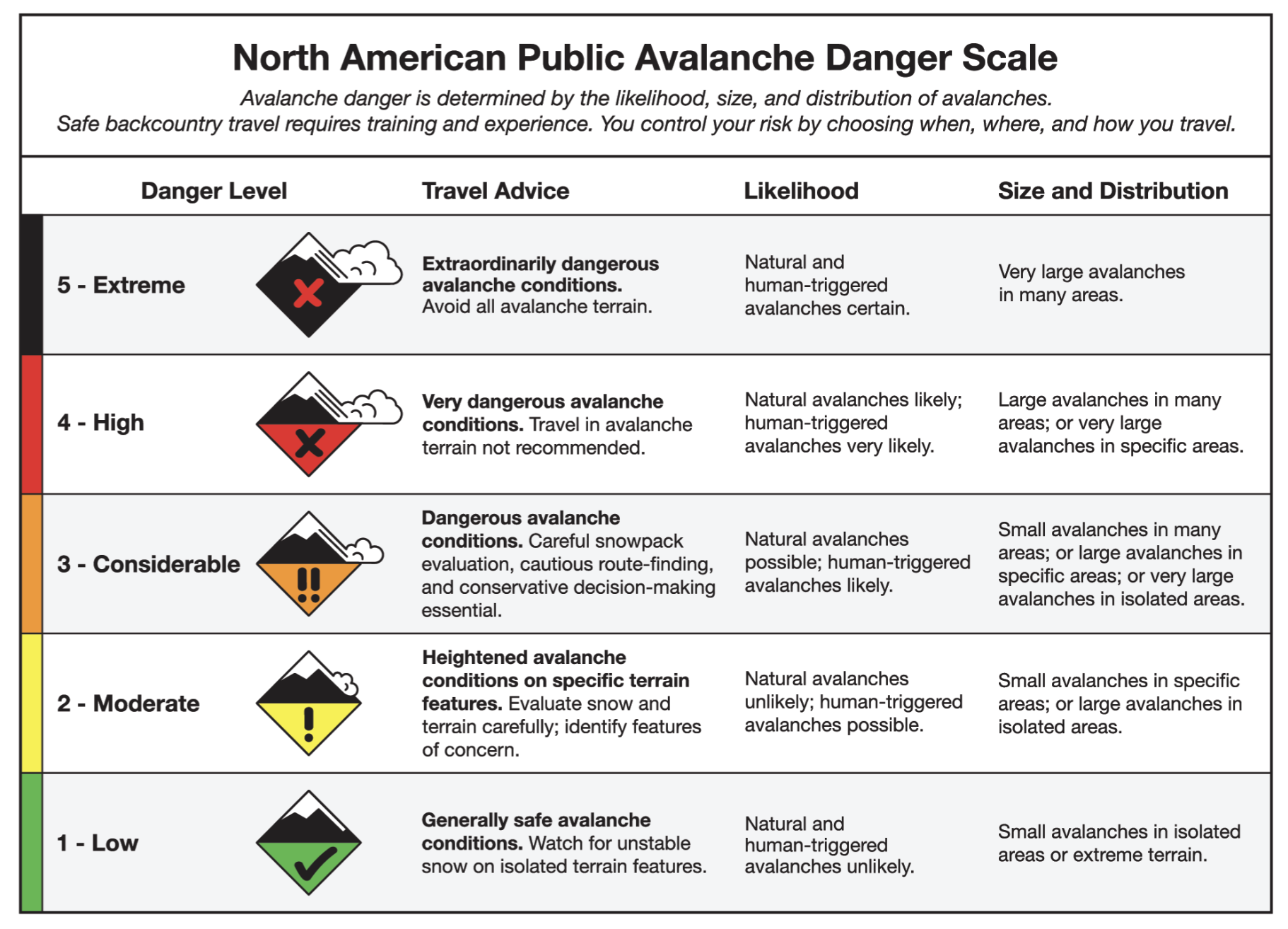 | | | | | The Bottom Line Off-piste skiing and snowboarding are among the best experiences the mountains have to offer. But the snowpack is dynamic, deceptive, and unforgiving of complacency. The good news: avalanche risk is largely manageable with the right knowledge, gear, and disciplined habits.
Check the forecast. Carry the kit. Go one at a time. Trust your gut. | | Check the Snow-Forecast Here | | | | | | 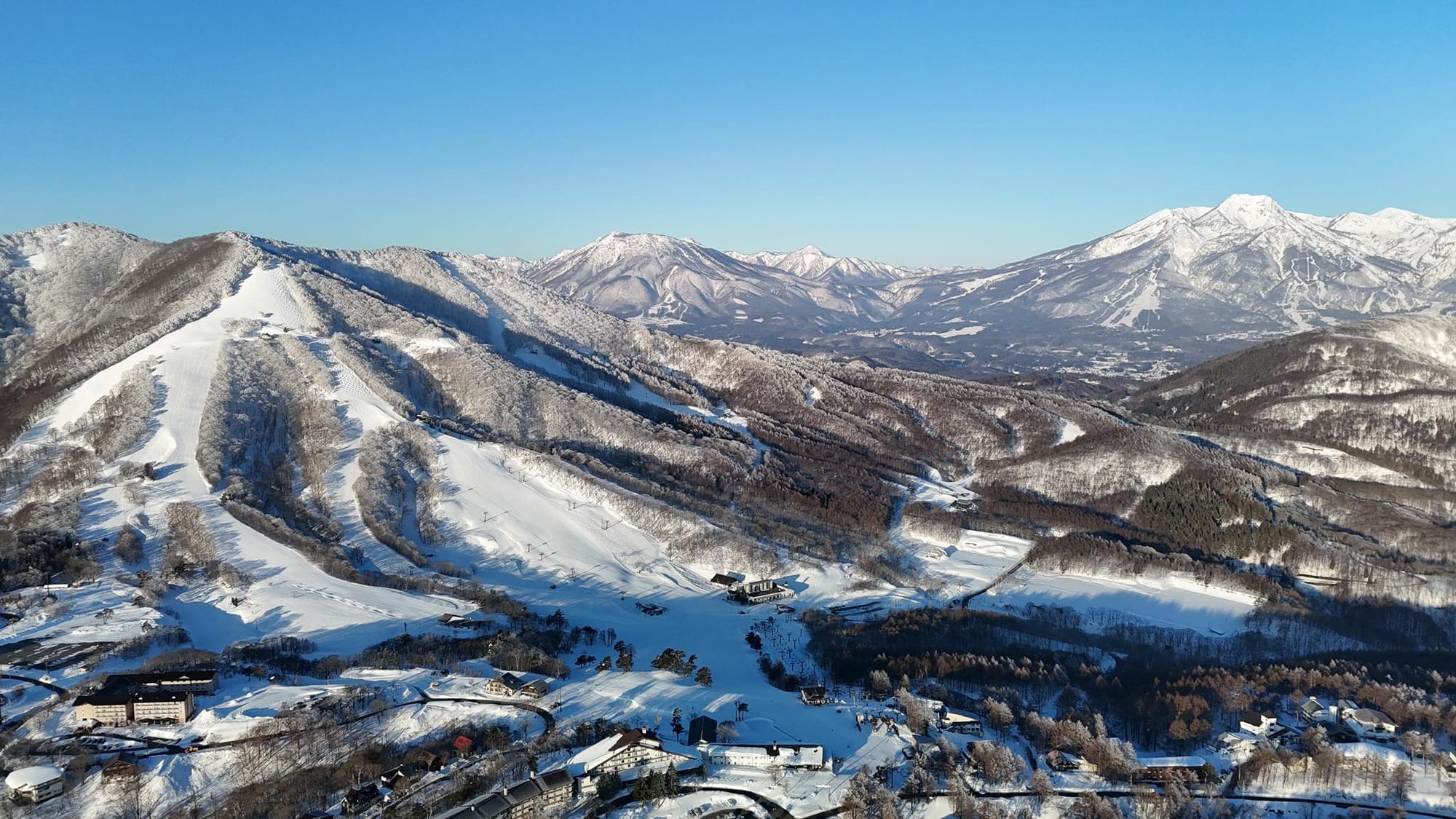 | | Madarao, Japan: 21st February 2026 | | This week's mountain conditions The Alps have finally emerged from a huge storm cycle bringing up to 3 meters of snow in places along with very high avalanche danger due to a week early season layer deep in the snowpack. Japans resort breaking snow season is showing the first signs of slowing although Seki Onsen in holding onto it´s 610cm (244") base. Finally the USA is seeing some much needed snow with California scoring up to 90" (225cm), the Rockies gaining 60cm (2ft)and the Midwest sees season's biggest snowfall. Europe Weekly Snow Roundup After weeks of exceptional snowfall in the Alps — peaking at up to 3m (10 feet) in seven days on high western terrain — conditions have settled since the weekend. Resorts are reporting calmer, milder and increasingly springlike weather. Avalanche danger remains very high in many areas, but more terrain has been reopening as slopes are secured. Alpe d'Huez (240/400cm / 96/160") has become the first resort in France to reach a 4m base this season. North America Weekly Snow Roundup The dominant story this week has been significant snowfall across the western United States. In much of the southern Rockies, two feet (60cm) accumulated over just a few days — the biggest snowfall of the season for many resorts. Further north in Utah and Wyoming, totals reached as high as 60" (1.5m), providing a substantial boost to snowpacks that had already been improving. Japan Weekly Snow Roundup With the seasonal transition approaching, snowfall across Japan has slowed compared to the relentless pace seen earlier this winter. While decent dumps continue to arrive between sunny spells, base depths have stabilised through much of February after rapid growth last month. Myoko's Seki Onsen (610/610cm / 244/244") continues to post the deepest base in the world and remains the only resort currently above five metres (200"). Most Japanese ski areas are fully open. | | Read Snow Roundups | | | | | | | Discover our Snow-Forecast App | | | | | | | | Thanks for your support, The Snow-Forecast.com Team | | | | | | You're receiving this email because you signed up to our surf alerts.
unsubscribe here | | | | |






No comments:
Post a Comment